

The Rocket X game occupies a special place for UK online casino players aviatorscasinos.com. It’s famous for that climbing rocket and the constant threat of a sudden, screen-shaking explosion. But a recent playing session stunned even the most hardened regulars. It’s now famous, the kind of story that travels through player forums and chat groups. This wasn’t a simple winning streak. It was a pure display of volatility, a tense battle of nerves that challenged the game’s own rules. That particular run showcased a chain of near-misses that made hearts skip, multipliers that fired off in quick succession, and a final payoff so huge it changed what people believed the game could do. For anyone who watched the stream or heard about it later, the story is equal parts warning and temptation. It shows that fine line, familiar to every UK player, between watching your balance vanish and seeing it transform in an instant.
Understanding Rocket X’s Unique Volatility Engine
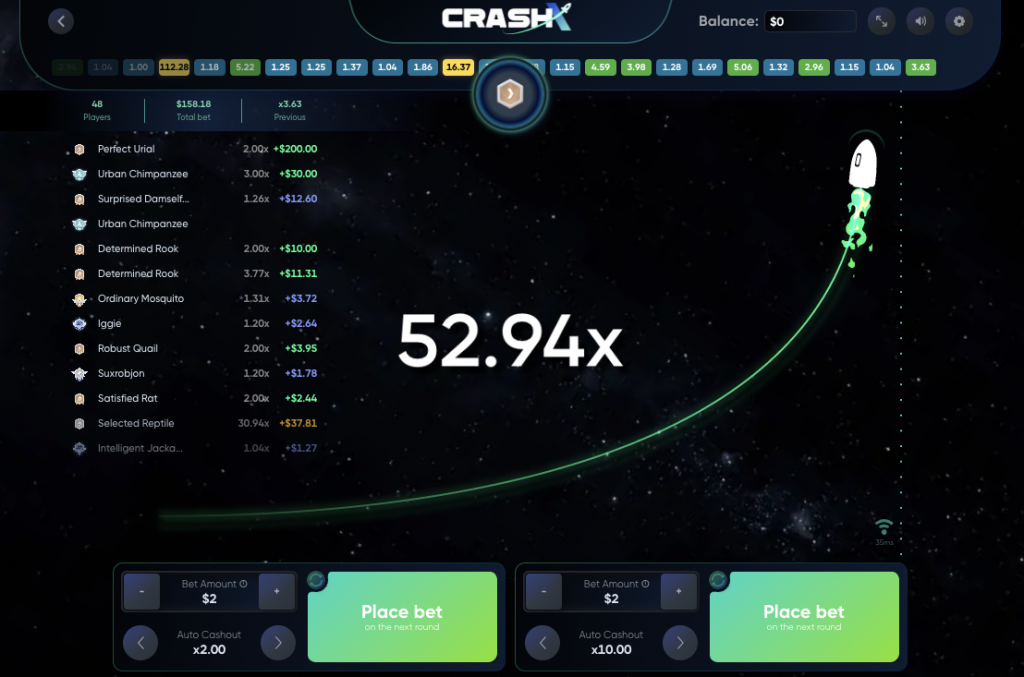
You need to know how Rocket X functions to appreciate why this session was so intense. This is certainly not a slot machine. It’s a crash game. You place a bet and see a multiplier increase from 1x as a rocket travels up the screen. Your sole job is to select ‘cash out’ before the rocket detonates at a arbitrary, unknown moment. The tension is direct and personal. The volatility comes from this: every individual crash point is chance-based and distinct from the last. There is no pattern to study, no rhythm, no way to predict. One game might finish at 1.01x. The very next one could fly past 500x. Because of this built-in unpredictability, a player’s funds can disappear in moments or multiply massively with one click. Every session is a intense test of timing against a algorithm that is indifferent.
A Detailed Breakdown of The Legendary Session
It all started quietly. The player utilized a meticulous plan, withdrawing small amounts regularly. The first few minutes were uneventful, with the rocket repeatedly exploding below 2x. It felt standard. Then the mood shifted. Against the pattern, the player permitted a bet run past 10x, then 20x, then 50x, finally withdrawing at 78x. That bold move appeared to wake something in the game. What happened next was a endless rollercoaster. A devastating crash at 1.5x was preceded immediately by a rocket that rocketed to 150x before the player could react. The next five rounds became a fog of bigger bets and skin-crawling decisions. Multipliers surged from tiny numbers to huge ones in a chaotic, anxious, and weirdly beautiful display. People viewing could barely stay with.
The Psychological Emotional Ride for the Player
Enduring a sequence like that is more than a monetary fight. It’s a psychological battle. Reports suggest the player ran through every emotion in a short time. The early win created a wave of confidence, a feeling of being invincible. That’s a dangerous mindset in a game built to punish arrogance. Uncertainty and tension quickly replaced it during the string of low crashes. The adrenaline hit from cashing out on a high multiplier is intense, a genuine gambler’s high that pushes you to keep going. But the instant regret of cashing out too early on the next soaring rocket brings annoyance and a stubborn need to continue. This emotional whip-crack, from joy to misery and back, defines a high-volatility Rocket X session. It’s also a big part of why the game can be so engrossing.
How Volatility Is Different in Rocket X Next to Slots
Both game types are volatile, but Rocket X provides a entirely different kind of risk next to the wildest online slots. Slot volatility is a statistical idea. It plays out over hundreds of spins, with the game’s Return to Player (RTP) working itself out in the long run. You might have a dry spell without bonuses, but the math evens out eventually. Rocket X provides no such long-term comfort. Every round is its own event. https://www.annualreports.com/HostedData/AnnualReportArchive/c/NASDAQ_CHDN_2011.pdf It ends in an instant, with a total win or a total loss. There’s no «dead spin» where you just lose your bet. A crash signifies you lose your entire stake for that round, right now. But a successful cash-out at a high multiplier awards a massive win immediately. This produces a sharper, more immediate form of volatility that the player controls directly. The risk isn’t spread thin over time. It’s concentrated into each second of the rocket’s flight, making every single decision feel extremely important.
The Function of Staking Plan in Volatile Sessions
When fluctuation is this raw, strategy shifts. It is less about chasing a win and focused on safeguarding your capital and getting ready for a chance. The well-known UK session demonstrated a number of key tactical concepts in action. First, the size of your stake is critical. Employing a small portion of your overall funds for each round is essential. It lets you survive the expected sequences of early explosions. Second, defining a payout objective before you start can avoid poor choices driven by feelings, however the participant strategically broke this rule to grab a major opportunity. Finally, combining automatic withdrawal for steady small wins with manual management for big plays is a wise tactic. Notable tactics people noticed comprised:
- Raising bet size boldly after a large victory to follow the trend, then rapidly reducing it to preserve the recent profits.
- Moving between fast, low cash-outs (like 1.5x) to build a foundation and permitting the odd stake to continue for a significantly larger multiplier.
- Emotional distancing, viewing every new round as a clean slate and not trying to win back what was previously lost on the prior round.
- Using the «Cancel Bet» feature carefully in the few seconds after submitting a stake but before the round begins, to skip a game when you sense something is off.
Social Feedback and Social Media Frenzy
As the session played out live on a broadcast platform, the UK’s online gambling community went wild. The live chat turned into a wall of typed gasps, cheers, and desperate tips. Short clips of the biggest moments—the 78x cash-out, the painful 1.5x crash after a large bet, the final huge round—circulated quickly. They popped up on Twitter, Discord, and casino forums within minutes. The story ceased to be about one player. It turned into a community event. People picked apart every decision, debated what they’d have done, and shared their own Rocket X war stories. This social echo effect is a key part of modern crash gaming. It transforms a personal session into a shared legend and strengthens the game’s place in the culture. The session wasn’t just played. It was viewed, dissected, and memorized by everyone.
What This Round Demonstrates About Bankroll Management
This unpredictable masterpiece is the perfect lesson in bankroll management for crash games. The player’s ability to not just withstand but profit from the chaos stemmed from strict financial discipline. They started with a dedicated bankroll they were fully willing to lose, a fundamental rule many ignore. More crucially, after reaching the 78x multiplier, they instantly set aside a big part of those winnings. From that moment, they were largely playing with the casino’s money. That psychological safety net allowed the aggressive plays that came after without the fear of losing their own cash. The session proved that management isn’t about preventing volatility—that’s impossible in Rocket X. It’s about insulating yourself from its most destructive effects. The real enemy in this context isn’t the random crash. It’s the player’s own urge to bet too much, attempting to manage a process that is fundamentally unpredictable.
The Numbers Behind the Madness: RTP and Variance
Behind the flashy graphics and exciting peaks, Rocket X operates on precise math determined by its Return to Player (RTP) and variance. The game generally has an RTP close to 97%. In theory, over countless rounds, it pays back 97% of all money wagered. But that mathematical value is almost useless in a quick, wild session like this one. The important idea here is variance. Variance measures how far real-world results spread out from the expected average. Rocket X is built for very high variance. Outcomes are scattered wildly. Most rounds end with small wins or losses, but a minuscule portion produce massive rewards. The legendary session was a perfect example of high variance in action. It concentrated several of those extreme, high-multiplier results into a condensed timeframe. It went against the «average» result, but it matched exactly with the game’s built-in ability for short-term chaos.
FAQ
Why is Rocket X more volatile than traditional slot games?
The https://www.ibisworld.com/industry-statistics/market-size/trade-show-conference-planning-united-states/ risk in Rocket X is immediate and complete. Every round is a single crash event. You forfeit your whole stake in a second, or you earn a multiplied payout. Traditional slots distribute their volatility across many spins, mixing smaller wins and losses. Rocket X resolves everything in moments. There are no subsequent rounds to compensate for a loss, which makes the risk and reward seem concentrated, extreme, and far less predictable.
Can you actually develop a winning strategy for a game as random as Rocket X?
You can’t predict the crash, but you can build a solid strategy for controlling your money and your decisions. This means rigorous bet sizing (like using 1% of your bankroll), determining on cash-out points before you play, using both auto and manual cash-out features, and gearing up mentally for losing streaks. The aim is not to «beat» the randomness. It’s to position yourself to withstand the volatility and be ready to capitalize on high multipliers when they appear, which is exactly what the player in this session managed to do.
Is there a chance for such a volatile session to be rigged or is it purely luck?
Proper, licensed versions of Rocket X, including the one in this story, use a provably fair system. Each crash point is generated by a cryptographic algorithm that players can confirm for themselves. So this session was a remarkable example of random chance, not manipulation. It was a legitimate, though very rare, cluster of extreme results within the game’s high-variance design. These sessions are theoretically possible, which is precisely why they become legendary stories among players.
What approach should a UK player tackle Rocket X after hearing about this volatile session?
Go in with a sense of thrill but a lot of caution. Consider sessions like this one as excellent entertainment, not a blueprint to follow. Start with the smallest possible bets to learn how the game works without serious risk. Never chase losses or try to imitate someone else’s aggressive style. Set a firm loss limit and a time limit before you click play. Always focus on the thrill of the tension over the dream of a big payout. Remember, for every legendary session you hear about, there are thousands of entirely ordinary ones that nobody talks about.